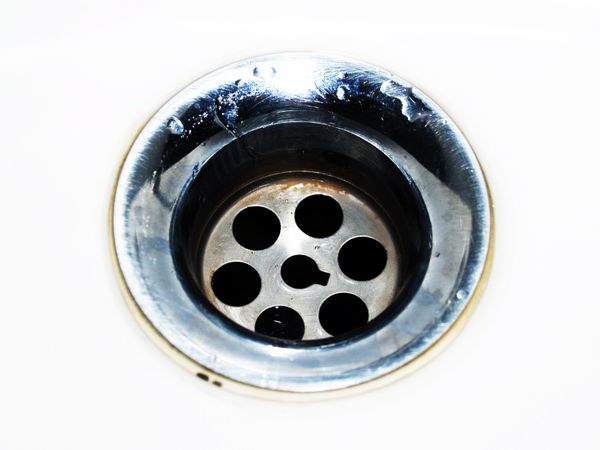
Quick Answer: Start with a plunger, then try baking soda and vinegar, then a drain snake. If the blockage returns within a week or affects multiple drains, it is time to call a professional. Persistent clogs often indicate a deeper problem such as tree root ingress, pipe collapse, or a hidden leak that requires CCTV investigation.
Why Do Drains Clog in Doncaster?
Clogged drains are the single most common plumbing issue in Doncaster homes. The combination of older clay drainage systems, mature trees in gardens across Bessacarr, Sprotbrough, and Cantley, and the heavy rainfall South Yorkshire receives creates the perfect conditions for recurring drain problems.
Before you call a plumber, there are several effective DIY methods worth trying. But knowing when to stop and call in professional help is just as important as knowing how to wield a plunger. This guide covers both.
Method 1: The Plunger (Best for Sinks and Toilets)
A plunger is the first tool to reach for with any clogged drain. It works by creating pressure and suction that dislodges blockages in the immediate trap area beneath the plughole or toilet bowl.
How to plunge effectively:
- Use the right plunger — a cup plunger for sinks and basins, a flange plunger for toilets
- Block the overflow hole with a wet cloth to maintain suction (critical for sinks)
- Fill the sink or basin with enough water to cover the plunger cup
- Place the plunger firmly over the drain and pump vigorously fifteen to twenty times
- Pull the plunger away sharply on the last stroke to break the seal
- Repeat three or four times before trying another method
Success rate: A plunger clears roughly 60 to 70 percent of simple sink and toilet blockages. If it does not work after several attempts, the blockage is likely further down the line or too compacted to shift with suction alone.
Method 2: Baking Soda and Vinegar (Best for Slow Drains)
This method works well for partial blockages — drains that are slow rather than completely stopped. The chemical reaction between baking soda and vinegar creates fizzing action that can break down organic matter, grease, and soap scum.
Step-by-step:
- Remove any standing water from the sink or basin
- Pour half a cup of baking soda directly down the drain
- Follow with half a cup of white vinegar
- Cover the drain with a plug or wet cloth immediately to keep the reaction in the pipe
- Wait thirty minutes to one hour
- Flush with a full kettle of boiling water
- Repeat if drainage improves but is still slow
Important: Do not use this method if you have already poured chemical drain cleaner down the drain. Mixing chemicals can create dangerous fumes. Also avoid pouring boiling water into PVC plastic waste pipes as the heat can soften joints — hot tap water is safer for plastic pipes.
Method 3: Drain Snake (Best for Hair and Debris Clogs)
A drain snake (also called a drain auger) is a flexible metal cable that you feed into the pipe to physically break through or pull out the blockage. You can buy a basic hand-crank drain snake from any Doncaster hardware shop or Screwfix for ten to twenty pounds.
How to use a drain snake:
- Remove the drain cover or unscrew the trap beneath the sink
- Feed the snake into the pipe until you feel resistance
- Rotate the handle clockwise while pushing gently to break through the blockage
- Pull the snake back slowly — it should bring debris with it
- Run water to test whether the drain has cleared
- Repeat if necessary, feeding further into the pipe each time
Success rate: Drain snakes are highly effective for hair clogs, soap buildup, and small obstructions within the first two to three metres of pipe. Beyond that, the snake may not reach the blockage, or the pipe may have bends that prevent the snake from advancing.
The Decision Tree: When to Call a Professional
You should stop trying DIY methods and call a drainage professional if any of the following apply:
- Multiple drains are affected. If the kitchen sink, bathroom basin, and shower are all draining slowly, the blockage is in the main drain line, not in an individual trap.
- The blockage keeps coming back. A drain that clears temporarily but blocks again within days or weeks has an underlying cause — tree roots, a collapsed pipe section, or a structural defect.
- Sewage is backing up. If dirty water or sewage is coming up through a drain, manhole, or toilet, the main sewer line is blocked. This is a health hazard and needs professional attention immediately.
- You can hear gurgling. Gurgling sounds from drains when you flush the toilet or run water indicate a venting problem or partial blockage in the main line.
- There is a bad smell. Persistent sewage smells from drains, even when they appear to be flowing, suggest a break in the pipe or a failed trap seal.
Sometimes a persistently clogged drain is actually caused by a hidden underground leak. If you suspect this, our specialist detection team at Leak Detect London can investigate using acoustic and thermal imaging equipment.
Professional Methods: CCTV Drain Surveys
When a blockage is beyond DIY methods, the first thing a professional drainage engineer will do is investigate with a CCTV drain survey. A small waterproof camera is fed into the drain on a flexible cable, providing a live video feed of the pipe interior.
A CCTV survey reveals:
- The exact location and nature of the blockage
- Tree root ingress — extremely common in Doncaster, particularly in areas with mature gardens
- Cracked, displaced, or collapsed pipe sections
- Scale buildup and corrosion
- Incorrect pipe connections or poorly installed junctions
A CCTV drain survey in Doncaster typically costs between £100 and £250 and is money well spent. It prevents guesswork and ensures the right repair method is used first time.
Professional Methods: High-Pressure Water Jetting
High-pressure jetting is the most effective method for clearing stubborn drain blockages. A specialised nozzle fires water at pressures of 3,000 to 4,000 psi into the pipe, cutting through tree roots, grease, scale, and compacted debris. It is also the best way to clean drain walls and restore full bore flow.
Jetting is particularly effective for:
- Fat, oil, and grease blockages (common in kitchen drains)
- Tree root masses (the jetting cuts through roots and flushes them out)
- Scale and mineral buildup in older clay or cast iron pipes
- Preventative maintenance — regular jetting keeps drains clear
Professional drain jetting in Doncaster costs between £150 and £350 depending on the length of pipe and severity of the blockage.
People Also Ask
Can I use chemical drain cleaner to unblock a drain?
Chemical drain cleaners can work on minor blockages but come with significant downsides. They can corrode older clay and cast iron pipes common in Doncaster properties, they are harmful to the environment, and they often only create a small channel through the blockage rather than clearing it fully. Repeated use weakens pipe joints. We recommend mechanical methods (plunger, snake, jetting) over chemical cleaners in almost every case.
How often should drains be professionally cleaned?
For most Doncaster homes, a professional drain clean every two to three years is sufficient. Properties with mature trees close to drain runs, older clay pipe systems, or a history of blockages should consider annual jetting as preventative maintenance. Commercial properties with heavy kitchen waste output should be jetted at least annually.
What causes tree roots to grow into drains?
Tree roots are attracted to the moisture and nutrients inside drain pipes. They enter through small cracks, joints, and displaced connections. Once inside, they grow rapidly, creating a mass that traps debris and causes blockages. Willow, poplar, and oak trees are the worst offenders, and all three are common across Doncaster gardens and parks.
How do I know if my drain has collapsed?
Signs of a collapsed drain include persistent blockages that jetting cannot fully resolve, sinkholes or depressions in the ground above the drain run, sewage smells in the garden, and patches of unusually lush grass above the pipe route. A CCTV survey is the only way to confirm a collapse.
If DIY has failed and you need professional help, our Doncaster drainage team is available seven days a week with CCTV equipment and high-pressure jetting rigs ready to go.
Emergency Repairs Doncaster
Written by the Emergency Repairs Doncaster team. Local engineers with years of experience helping Doncaster homeowners.