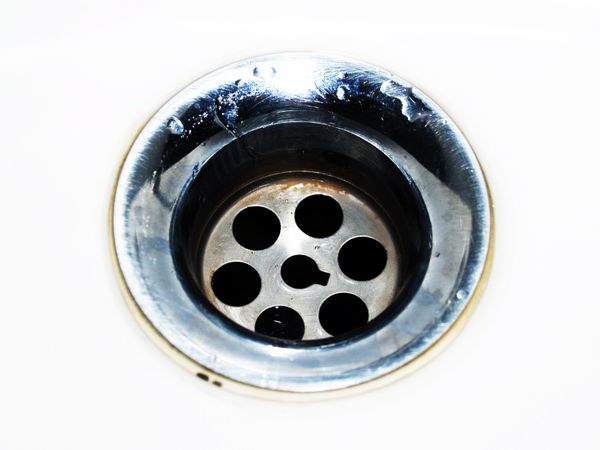
A slow-draining shower is one of life's small but persistent annoyances. You are standing in ankle-deep water by the end of your shower, and it takes ages to drain away afterwards. In Doncaster homes, shower drain blockages are overwhelmingly caused by one thing: hair. Combined with soap scum, conditioner residue, and body oils, it forms a matted plug in the trap that water struggles to pass through.
The good news is that shower drain blockages are almost always fixable without a plumber. Here are five methods, starting with the simplest.
Method 1: Remove the Cover and Clean the Trap by Hand
This is the first thing to try and it clears most shower drain blockages in under five minutes.
- Step 1: Remove the shower drain cover. Most lift out or unscrew. Some snap-in covers can be levered up with a flat-head screwdriver.
- Step 2: Look into the drain opening. You will almost certainly see a clump of hair and grime sitting in or just below the trap.
- Step 3: Pull it out. Yes, it is disgusting. Rubber gloves and a pair of long-nose pliers or a bent wire coat hanger make the job bearable.
- Step 4: Run the shower for a minute to test. If it drains freely, you are done.
In many Doncaster bathrooms, particularly the shower enclosures fitted in the 2000s and 2010s, the drain traps are quite shallow and accessible. Pull out the hair ball and the problem is solved.
Method 2: Baking Soda and Vinegar
If the drain is still slow after removing the visible hair, there is likely build-up further down the pipe. Baking soda and vinegar cut through the soap scum and grease that hair clings to.
- Pour a kettle of boiling water down the drain to soften the gunk
- Tip in half a cup of baking soda and let it sit for five minutes
- Pour a cup of white vinegar down after it — it will fizz and bubble
- Cover the drain with a wet cloth to keep the reaction working downward
- Wait fifteen to twenty minutes
- Flush with another kettle of boiling water
This method works best on partial blockages where water is draining slowly rather than not at all. It is safe for all pipe types commonly found in Doncaster homes — plastic, copper, and even the older lead waste pipes still present in some pre-war properties.
Method 3: Plunger
A plunger can shift blockages that are further down the pipe, beyond where you can reach by hand.
- Make sure there is enough standing water in the shower tray to cover the plunger cup (about two inches)
- Place the plunger flat over the drain opening to create a seal
- Pump firmly up and down fifteen to twenty times
- Pull the plunger away sharply on the final stroke
- Run the shower to test
Use a flat cup plunger rather than a flange plunger (the toilet kind). If you have a shower tray rather than a wet room floor, the flat surface makes it easy to get a good seal. Repeat the process three or four times if the first attempt does not work.
Method 4: Drain Snake
For stubborn blockages that plunging cannot shift, a drain snake (also called a drain auger) physically breaks through or hooks onto the blockage material.
- Remove the drain cover
- Feed the snake into the drain opening, turning the handle clockwise as you push
- When you feel resistance, you have hit the blockage — keep turning gently
- The snake will either push through the blockage or catch onto it
- Pull the snake back slowly, bringing hair and debris with it
- Flush the drain thoroughly with hot water
Basic hand-crank drain snakes cost around ten to fifteen pounds from any hardware shop in Doncaster. For shower drains, a short flexible snake (around three metres) is all you need. They are reusable and worth keeping under the sink for when the next blockage inevitably appears.
Method 5: Enzyme Drain Cleaner
Enzyme-based drain cleaners use natural bacteria to digest organic matter in your pipes. They work more slowly than mechanical methods (usually overnight) but are excellent for clearing residual build-up and preventing future blockages.
- Clear as much of the blockage as you can using the methods above first
- Pour the enzyme cleaner down the drain according to the product instructions (usually in the evening)
- Leave it to work overnight — do not run any water through the drain for at least eight hours
- Flush with warm water in the morning
Why not chemical drain cleaners? We would advise against strong chemical drain unblockers for shower drains. They can damage the seals in plastic shower traps, corrode older metal pipes, and create nasty fumes in an enclosed bathroom. In Doncaster properties with mixed old and new pipework, chemical cleaners can cause more problems than they solve. Enzyme cleaners are safer and work just as well for organic blockages.
How to Prevent Shower Drain Blockages
Prevention is far easier than clearing blockages. A few simple habits will keep your shower drain flowing freely:
- Fit a drain hair catcher. These silicone or stainless steel covers sit over or inside the drain opening and catch hair before it enters the pipe. They cost between two and five pounds and are the single most effective prevention measure. Available from any Doncaster supermarket or hardware shop.
- Clean the drain cover weekly. Lift it out, remove any hair, and rinse it off. Takes thirty seconds.
- Monthly baking soda flush. Pour half a cup of baking soda followed by hot water down the drain once a month. This dissolves soap scum build-up before it becomes a problem.
- Brush your hair before showering. Loose hair comes out in the brush rather than in the drain.
- Keep an eye on drainage speed. If the shower starts draining noticeably slower, deal with it straight away. Small build-ups are easier to clear than compacted blockages.
When to Call a Plumber
If you have tried all five methods and the drain is still blocked or draining slowly, the problem is likely beyond the shower trap — either a blockage further down the waste pipe run, a problem with the soil stack, or a venting issue. At that point, you need a plumber with proper drain-clearing equipment.
Signs you need professional help:
- Water is backing up into the shower from other drains
- Other fixtures in the bathroom are also draining slowly
- You can smell sewage coming from the drain
- The blockage keeps coming back within a few days of clearing it
We clear blocked shower drains across Doncaster every week. If you need us, we offer free quotes on booked appointments — just honest pricing for the work that is actually needed.
Emergency Repairs Doncaster
Written by the Emergency Repairs Doncaster team. Local engineers with years of experience helping Doncaster homeowners.