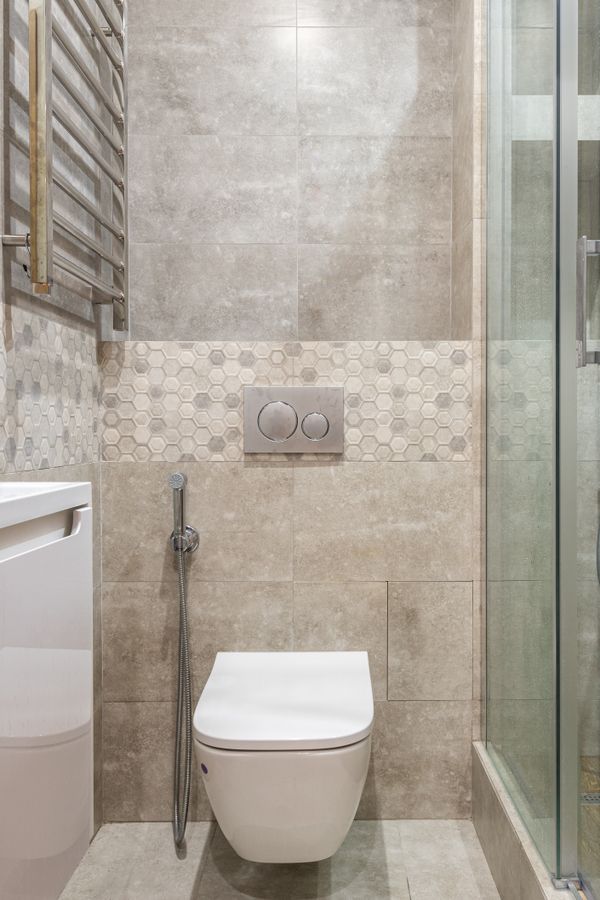
There is no mistaking the smell of sewage in your home. That sulphurous, rotten-egg stink is not just unpleasant — it can signal a genuine health risk. Sewer gases contain hydrogen sulphide and methane, which in high concentrations can cause headaches, nausea, and worse. If you are smelling sewage in your Doncaster home, something in your drainage system is letting those gases escape into your living space.
The cause could be something you fix in five minutes, or it could need professional attention. Here are the seven most common reasons for sewage smells in Doncaster homes, and what to do about each one.
1. Dry P-Trap (The Most Common Cause)
Every drain in your house has a P-trap — that U-shaped bend in the pipe underneath. It holds a small amount of water that acts as a seal, blocking sewer gases from rising back up through the plughole. If a sink, shower, bath, or floor drain has not been used for a while, the water in the trap evaporates and the seal breaks.
Where it happens most: Guest bathrooms, utility room sinks, en-suites in spare rooms, and floor drains in garages. In Doncaster, we see this a lot in properties where people have been on holiday or in rooms that are not used over winter.
The fix: Run the tap for thirty seconds. That refills the trap and restores the seal. For drains you rarely use, pour a small amount of water down them once a month. Adding a tablespoon of vegetable oil on top slows evaporation.
2. Blocked or Partially Blocked Vent Pipe
Your drainage system needs air to flow properly. Vent pipes (also called soil vent pipes or SVPs) run up through your roof to let air in and sewer gases out. If the vent becomes blocked — by bird nests, leaves, frost, or even a dead pigeon — the pressure in the system goes wrong. This can siphon the water out of your P-traps or force gases back through the drains.
Signs it is a vent issue:
- Gurgling sounds from multiple drains when you flush the toilet
- Slow drainage throughout the house, not just one fitting
- The smell seems to come from several locations at once
The fix: Check if the vent pipe terminal on your roof is clear. If you can safely access it, remove any visible debris. If the blockage is further down the pipe or you cannot reach it safely, call a plumber. In older Doncaster properties, cast iron SVPs can also crack or corrode, which needs professional repair.
3. Cracked or Damaged Drain Pipe
Cracked pipes let sewer gases escape directly into the spaces around them — under floors, inside walls, in crawl spaces. In Doncaster, this is particularly common in properties built before the 1970s where the original clay or cast iron drainage is still in place. Tree root intrusion, ground movement, and simple age all take their toll.
Signs it is a cracked pipe:
- The smell is strongest near a particular wall or floor area
- You notice damp patches on walls or ceilings near the smell
- Unexplained lush patches in the garden (where waste is feeding the soil)
The fix: This needs a professional with a CCTV drain camera to locate the damage. Depending on where the crack is, it might be repairable with a patch liner or it may need excavation and replacement. We carry out CCTV drain surveys across Doncaster and can usually pinpoint the problem within the hour.
4. Damaged Toilet Wax Ring
The wax ring that seals your toilet to the waste pipe can fail over time, especially if the toilet rocks or has been disturbed. When the seal breaks, sewer gases escape from around the base of the toilet every time you flush — and sometimes constantly.
Signs it is the wax ring:
- The smell is strongest near the toilet
- You might also notice water around the toilet base
- The toilet wobbles when you sit on it
The fix: Replace the wax ring. This means removing the toilet, cleaning off the old seal, fitting a new one, and re-seating the toilet. It is a manageable DIY job if you are comfortable lifting the toilet, or a quick job for a plumber.
5. Biofilm Build-Up in Drains
Over time, a slimy layer of bacteria, soap scum, grease, and hair builds up inside your drain pipes. This biofilm can produce its own foul smell that mimics sewer gas. It is most common in bathroom sink drains and shower drains where toothpaste, soap, and hair combine to create a particularly ripe environment.
Signs it is biofilm:
- The smell comes from one specific drain
- It gets worse when water flows through the drain
- You can see black or dark slime if you remove the drain cover or plug
The fix: Remove the drain cover and clean out any visible gunk with an old toothbrush. Pour a kettle of boiling water down the drain, followed by half a cup of baking soda, then a cup of white vinegar. Let it fizz for fifteen minutes, then flush with more boiling water. For stubborn biofilm, enzyme-based drain cleaners work well and are safer for Doncaster's mixed pipe materials than chemical drain cleaners.
6. Main Sewer Line Problem
If the smell appears suddenly throughout the house and affects multiple drains, the problem might be in the main sewer line between your property and the public sewer. Blockages, collapses, or damage to this pipe can back up the entire system and push gases into your home.
Signs it is the main sewer line:
- Multiple drains are slow or backing up
- The outside manhole is overflowing or full
- The smell appeared suddenly and affects the whole house
- Wet patches in the garden near the drain run
The fix: Check your outside manhole cover. If the chamber is full or overflowing, the blockage is likely downstream. If the blockage is between your house and the public sewer boundary, it is your responsibility. If it is beyond the boundary, contact Yorkshire Water — they handle the public sewers in Doncaster. A drainage engineer can clear most blockages with high-pressure water jetting.
7. Septic Tank or Treatment Plant Issue
Some rural properties around Doncaster — particularly around Sprotbrough, Warmsworth, Edenthorpe, and the villages towards Bawtry — are not connected to mains drainage and rely on septic tanks or sewage treatment plants. If these are not maintained, they can produce foul smells that travel back up the pipes into the house.
Signs it is the septic system:
- The smell is worse outside near the septic tank location
- You cannot remember the last time it was emptied
- There is standing water or unusually green grass above the tank or soakaway
The fix: Have the tank emptied and inspected. Septic tanks typically need emptying every one to three years depending on household size. If the tank or soakaway has failed, it will need repair or replacement — this is specialist work but something we can advise on.
When the Smell Is an Emergency
Call a plumber immediately if:
- The smell is accompanied by visible sewage backing up into your property
- Anyone in the household is feeling unwell with headaches or nausea
- You can hear gurgling from drains and the smell is getting worse
- Raw sewage is visible outside your property near drains or manholes
Sewage smells should never be ignored. Most causes have a straightforward fix once you know what you are dealing with. If you are in Doncaster and cannot track down the source, give us a call. We will find it, explain what is going on in plain English, and get it sorted.
Emergency Repairs Doncaster
Written by the Emergency Repairs Doncaster team. Local engineers with years of experience helping Doncaster homeowners.